



Environmental Impact of Carbon Black: Challenges and Solutions
2025-12-05
Carbon black is an essential industrial raw material widely used in industries such as rubber, plastics, inks, and coatings. However, its production and use can have some negative environmental impacts. As environmental awareness increases and regulations become stricter, it is increasingly important to understand the environmental challenges posed by carbon black and implement effective solutions. In this article, دري will explore the environmental challenges of carbon black and present corresponding solutions aimed at achieving sustainable development.
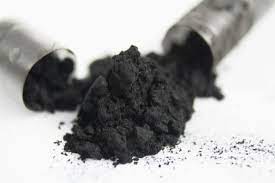
1. Environmental Challenges in the Production of Carbon Black
The production of carbon black typically involves the high-temperature pyrolysis of organic materials, such as aromatic hydrocarbons, extracted from petroleum or natural gas. This process releases certain amounts of greenhouse gases and particulate matter. The main environmental challenges include:
-
Greenhouse Gas Emissions
Carbon black production emits carbon dioxide, methane, and other greenhouse gases, which contribute to global climate change. -
Air Pollution
The high-temperature processes involved in production can generate incomplete combustion carbon particles (smoke dust), which not only degrade air quality but may also pose health risks to surrounding communities. -
Wastewater and Residual Waste Issues
Certain chemical by-products and residues in the production process may enter wastewater and solid waste. Improper disposal of these materials can lead to pollution of surrounding water bodies and soil.
2. Environmental Impact of Carbon Black in Use
Although carbon black itself has minimal direct environmental impact, some potential environmental challenges arise from its widespread applications:
-
Microplastic Pollution
Carbon black is often used in plastics and rubber, especially in products like tires and packaging materials. As these products wear out or age, micro-carbon particles can be released into the environment, contributing to microplastic pollution. These particles can enter water, soil, and air, potentially harming ecosystems and affecting plant and animal health. -
Waste Disposal Issues
With the extensive use of carbon black in consumer products, when these products age or are discarded, carbon black may become part of the waste stream. Improper disposal or lack of recycling can exacerbate landfill and environmental pollution problems.
3. Environmental Solutions: Sustainable Production and Recycling
As environmental policies tighten and market demands shift, the carbon black industry is taking a series of innovative measures to reduce its environmental impact. Some key solutions include:
- Improving Production Processes: Reducing Emissions
Carbon black manufacturers can adopt more advanced production technologies to reduce greenhouse gas and air pollutant emissions. For example, using low-emission technologies, such as gas recovery and recycling systems, can purify waste gases produced during production, reducing atmospheric pollution.
- Green Alternative Raw Materials: Reducing Environmental Load
Traditional carbon black production relies heavily on petroleum and natural gas, but with the development of renewable resources, some manufacturers have started producing bio-based carbon black from biomass materials, such as wood or agricultural waste. Biomass carbon black not only reduces dependence on fossil fuels but also effectively lowers greenhouse gas emissions.
- Recycling and Reuse of Carbon Black
To reduce carbon black waste’s environmental burden, recycling technologies can be developed to reuse carbon black in the production process. For example, waste tires can be recycled and processed, allowing the carbon black to be reused in the remanufacture of new tires, thus reducing waste accumulation.
- Eco-friendly Carbon Black Products
With the growing demand for environmentally friendly products, eco-friendly carbon black products are emerging in the market. These products are designed to reduce environmental impact during both production and use. Manufacturers can choose these green alternatives to improve their product’s competitive edge in the market.
- Strengthening Corporate Environmental Responsibility: Compliance and Certification
Enterprises should strengthen their adherence to environmental regulations, actively apply for environmental certifications, and disclose their environmental performance metrics, such as carbon emissions and wastewater discharge, to ensure that their production processes meet environmental protection standards.
4. Future Outlook: Green Transformation of the Carbon Black Industry
As global attention on sustainable development grows, the carbon black industry is shifting toward more environmentally friendly practices. From material selection and production process optimization to recycling and reuse, the carbon black industry is continually innovating to reduce its environmental footprint. In the future, carbon black will not only remain a crucial industrial material but also play a key role in driving green economic development.
خاتمة
Although there are environmental challenges in the production and use of carbon black, the industry is moving toward a more sustainable future through improvements in production processes, green raw materials, recycling, and the development of eco-friendly products. As suppliers, we must focus not only on the quality and performance of our products but also on our environmental responsibility, contributing to sustainable development.
Contact Us
If you are interested in eco-friendly carbon black products or have more questions about carbon black applications and environmental solutions, feel free to contact us. We are committed to providing high-quality, environmentally friendly carbon black materials to help our clients achieve their sustainability goals.
الصفحة السابقة:The Key Role of Carbon Black in Automotive Tires
الصفحة التالية : لا يوجد مقال